
G7 countries are not releasing oil reserves right now
 G7 countries are not releasing oil reserves right now
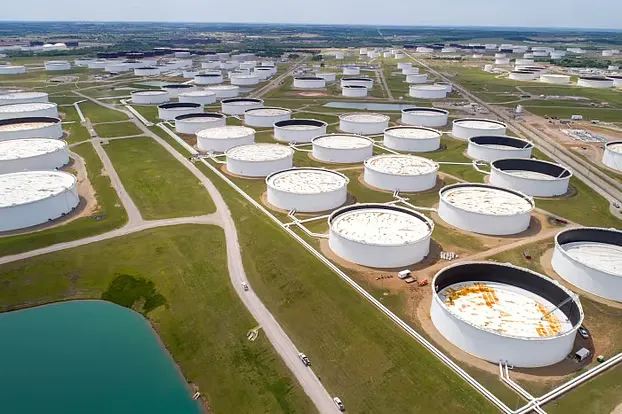
Despite a dramatic overnight spike in global oil prices triggered by escalating geopolitical tensions in the Middle East, the Group of Seven (G7) industrialized nations have decided against immediately tapping into their strategic petroleum reserves. Finance ministers from the alliance reached a consensus during an emergency virtual meeting on Monday to monitor the situation closely but refrain from releasing reserves for now, while emphasizing readiness to act if necessary.
The G7 — comprising the United States, United Kingdom, Canada, Japan, Italy, Germany, and France — convened the meeting to address the abnormal surge in oil prices that occurred Sunday night into Monday. Brent crude briefly approached $120 per barrel amid fears of supply disruptions from the ongoing U.S.-Israel conflict with Iran, marking the highest levels since early 2022. Prices later moderated but remained elevated, with benchmarks trading well above $100 in volatile sessions before retreating somewhat by Tuesday.
A G7 official, speaking to Reuters on condition of anonymity, described a “broad consensus” among the finance ministers not to release strategic reserves at this stage. “There was broad agreement on this. It was not that someone was against [it]; it’s just about timing. More analysis is needed,” the official said. The decision reflects a cautious approach, with officials noting that current physical supplies remain stable in key markets despite the price volatility.
In a joint statement following the meeting, the G7 affirmed its commitment to market stability: “We stand ready to take necessary measures, including to support global supply of energy such as stockpile release.” French Finance Minister Roland Lescure, whose country holds the current G7 presidency, reiterated after the discussions that “we are not there yet” on deploying emergency stocks, underscoring that no immediate supply shortages exist in the U.S. or Europe.
The International Energy Agency (IEA) participated in the talks, with Executive Director Fatih Birol highlighting deteriorating market conditions due to the conflict. While some reports indicated initial discussions around a coordinated release of 300-400 million barrels (potentially 25-30% of IEA member public reserves), no action was taken. Analysts suggest such a move could moderate prices by $10-20 per barrel if implemented, though historical precedents show reserve releases often temper rather than fully reverse structural disruptions.
Looking ahead, G7 energy ministers are scheduled to hold a teleconference on Tuesday to further assess developments. Alliance leaders are also expected to convene later this week, where a final decision on any coordinated intervention — including potential reserve releases — could be made.
The reluctance to act immediately comes as oil markets grapple with uncertainty from the Middle East conflict, including risks to production, shipping routes like the Strait of Hormuz, and secondary effects such as production cuts by some regional players. Energy experts warn that prolonged disruptions could lead to broader inflationary pressures globally, affecting fuel costs, transportation, and consumer goods.
As the situation evolves rapidly, the G7’s measured stance signals a preference for further evaluation before unleashing emergency tools, balancing the need to curb runaway prices with avoiding premature depletion of strategic buffers. Markets will closely watch upcoming discussions for any shift in policy.