


A groundbreaking scientific discovery involving Bangladeshi aerospace scientist Professor Dr. Sumon Sarkar has opened a new frontier in advanced materials research. The findings were recently published in the prestigious journal Materials Research Bulletin, one of the leading materials science journals in the United States.
Working with renowned carbon and composite materials lab of MAE, New York University, Dr. Sarkar reported the first-ever experimental observation of inductance in a fibrous carbon-fiber composite material. Until now, inductance—a property essential for devices such as motors, transformers, and generators—was primarily associated with metal coils.
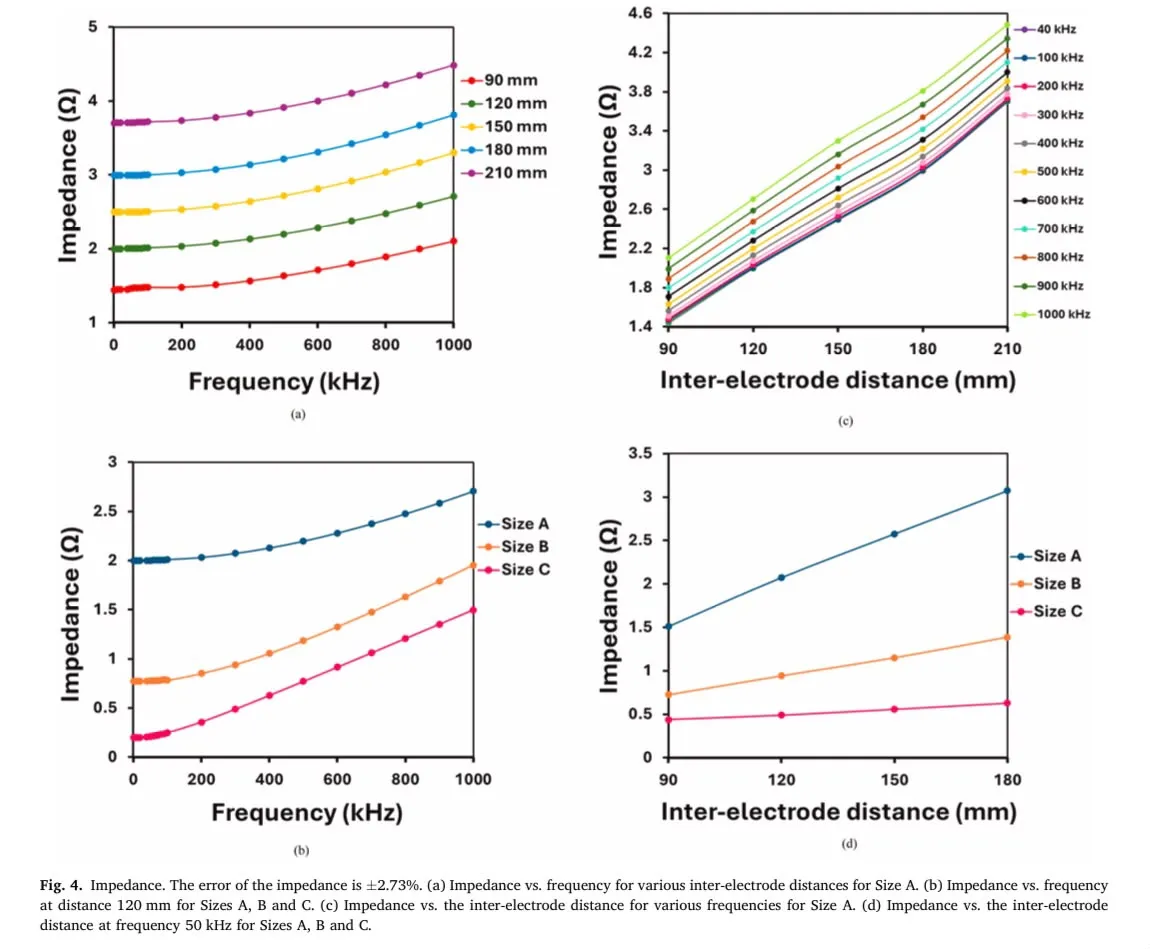
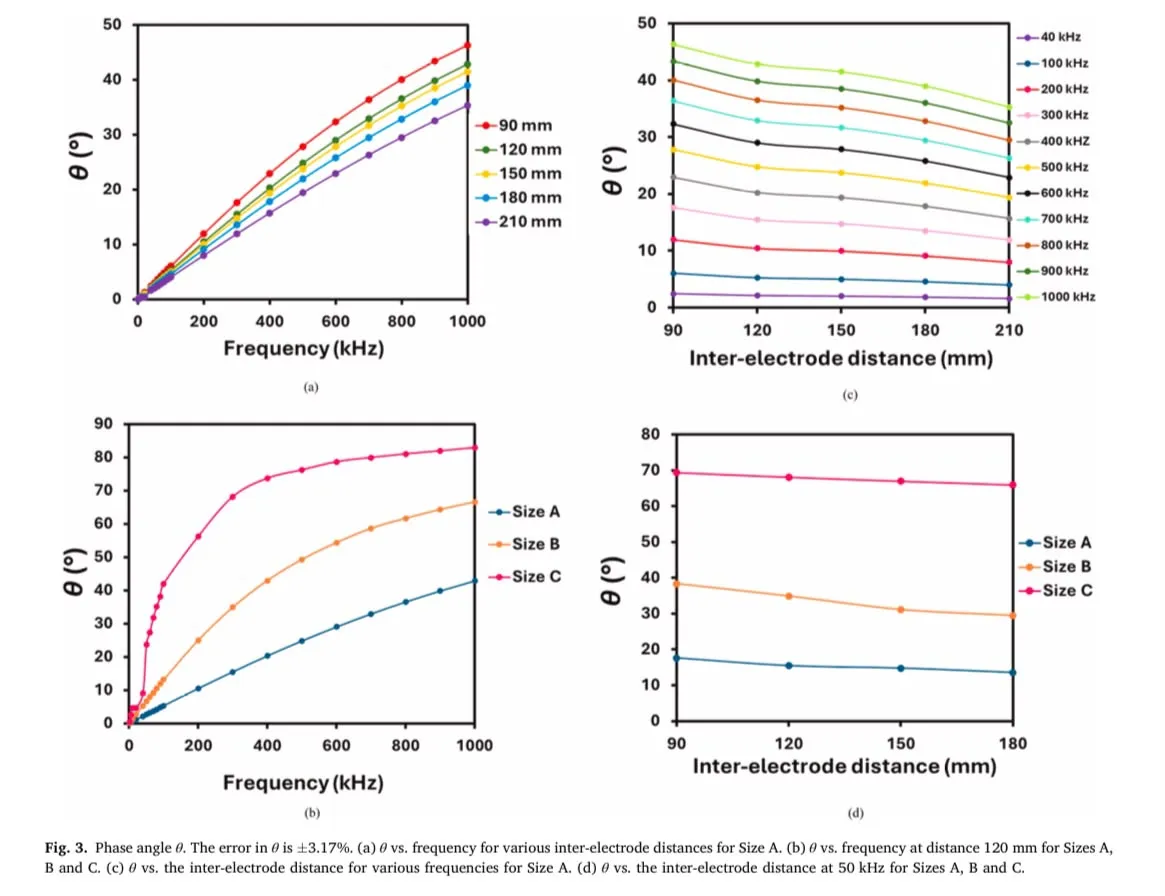 The researchers demonstrated that a lightweight, pultruded carbon-fiber composite can generate inductive behavior even without being formed into a coil. Their experiments revealed that microscopic contacts between neighboring carbon fibers create tiny current pathways that contribute significantly to the material’s inductance.
According to the study, these fiber-to-fiber contacts account for as much as 49 to 79 percent of the measured inductance, making them the dominant factor behind the newly observed phenomenon. The discovery suggests that structural carbon-fiber composites could one day perform both mechanical and electrical functions simultaneously.
 The research has important implications for the aerospace, transportation, robotics, and energy sectors. Future applications could include lighter and smarter aircraft structures, advanced sensors, electromagnetic devices, and multifunctional composite materials capable of both carrying loads and performing electrical tasks.
Dr. Sarkar, whose permanent affiliation is with the College of Aviation Technology in Dhaka, Bangladesh, contributed to the investigation, data analysis, and visualization of the research. The study represents a significant achievement for Bangladeshi scientific talent on the international
stage and highlights the growing global impact of Bangladeshi researchers in cutting-edge engineering and materials science.
Scientists believe this breakthrough could pave the way for a new generation of lightweight composite materials with built-in electrical functionality, potentially transforming future aerospace and energy technologies.
